
How to Budget a Custom Home in 2026 (Without Surprises)
Real budgets, real categories, and the line items most homeowners forget. A clear-eyed look at what it actually takes to build a custom home today.
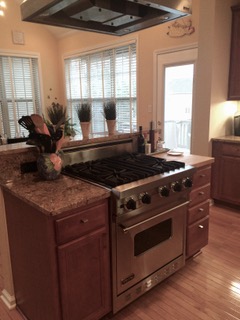
Most budget overruns on custom homes aren't caused by expensive finishes. They're caused by line items that never made it into the budget in the first place. This guide walks through the categories we use with clients during pre-construction, and the ones we most often see forgotten.
Start with land and site, not square footage
Before you ever talk about house cost, you need a clear picture of land cost, site work, utilities, and any permitting hurdles specific to your lot. A sloped lot, a long driveway, a well and septic instead of municipal hookups — any of these can add tens of thousands before a single wall goes up.
The four cost buckets we use
1. Hard costs
The actual cost to build: framing, mechanicals, finishes, labor. This is what most homeowners think of as 'the budget.' Plan for it carefully, but know it's only part of the picture.
2. Soft costs
Architect, structural engineer, surveyor, permits, impact fees, construction loan interest, builder's risk insurance. Soft costs often run 8–15% of hard costs on a custom build and are frequently underestimated.
3. Site & infrastructure
Excavation, grading, retaining, driveway, landscaping, irrigation, exterior lighting, fencing. On rural or sloped lots, this can rival the cost of the house itself.
4. Contingency
We recommend 10% contingency on renovations of unknown-condition homes and 7% on new builds. Not because we expect problems, but because honest budgeting accounts for the things no one can see through a wall.
Line items homeowners forget
After hundreds of pre-construction meetings, these are the items we most often have to add back into a client's draft budget: appliance upgrades beyond builder-grade, window treatments, closet build-outs, garage storage, audio-visual pre-wire, security and smart-home systems, exterior hardscape, and the cost of living somewhere else for 12–18 months.
What's actually moving in 2026
Material costs have largely stabilized after several volatile years, but labor remains tight in most residential markets. Mechanical, electrical, and finish trades in particular continue to see steady upward pressure. The implication: schedule discipline matters more than ever, because every extra month on site compounds.
A realistic approach
Build your budget in writing, in those four buckets, with a real contingency. Get builder feedback early — before architectural drawings are final — so design and budget evolve together. And work with a contractor who's willing to say no to a scope they can't deliver inside your number.
Let's price your project honestly
If you'd like a transparent, line-by-line look at what your project might actually cost, we'd welcome the conversation. Reach out to schedule a budgeting consultation with our team.